- English
 - Deutsch
 - Français
 - Nederlands
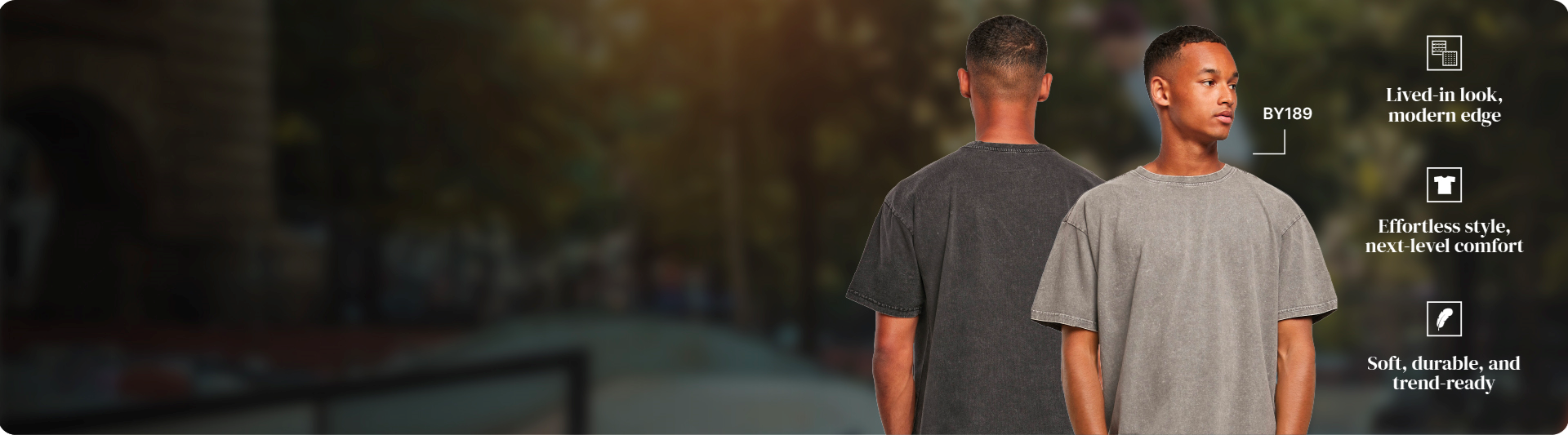
Washed and dyed tees: Why are they trending?
 Cat Bridges • 19 March 2026 • 3 minute read
Consumers want character. They’re looking for something that feels personal, worn-in, expressive and individual. Washed tees deliver all of that. Plus, it’s a new client conversation and a genuine commercial opportunity for you to explore.
With every tee offering its own subtle variation in tone and texture, the vintage washed look has quickly become a must-have addition to the range.
Already a retail staple, washed tees are moving fast into branded apparel and merch.
It’s less a question of whether your clients want them, more a question of whether you’re ready to offer them.
What makes a washed tee different from a standard blank?
Not all washed finishes are the same – a distinction that matters when you’re recommending products to clients.
The dyeing process does more than just colour the fabric – it also softens it, relaxes the drape and provides a hand feel that a standard tee simply can’t replicate. Every piece offers its own subtle character. An irregularity isn’t a flaw anymore – it’s a feature, a selling point; something clients will be drawn to the moment they hold it.
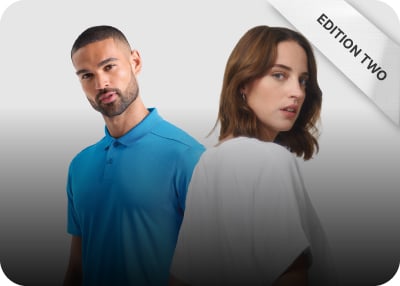
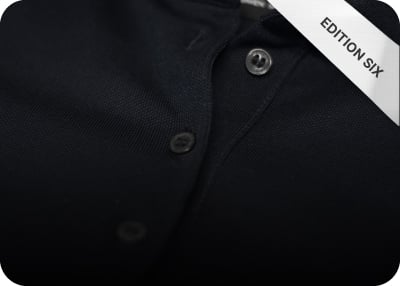
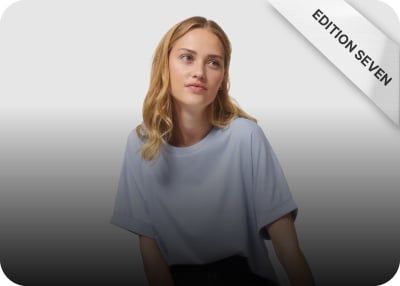
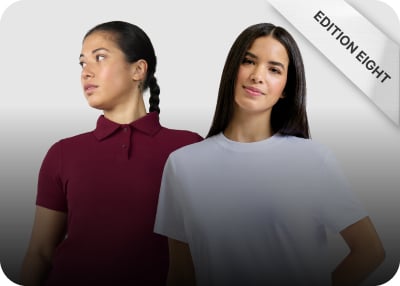
Comfort Colors’ CO100 delivers those distinctive, earthy, pigment-dyed hues the brand is so celebrated for – soft, heavyweight and immediately recognisable as something a class above.
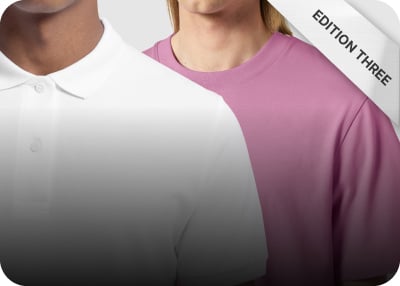
The BELLA+CANVAS BE158 offers a premium construction at 220gsm, with an inclusive fit across 13 curated colourways. It’s the standout, side-seamed, garment-dyed option on the market.
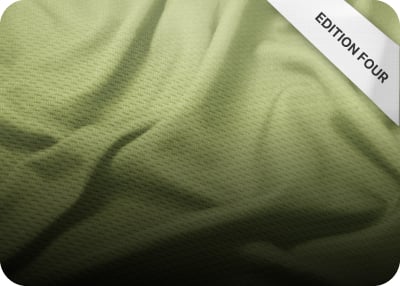
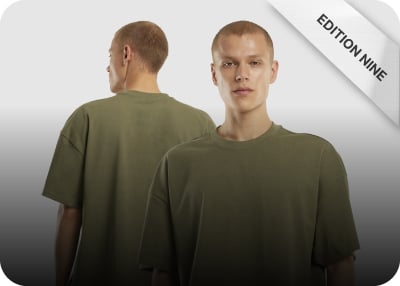
Build Your Brand’s BY189 completes the picture with a 240gsm, acid-washed, oversized tee – dropped shoulders, ribbed crew neck and an oversized fit. It’s a street-ready cut that suits brands targeting a younger, fashion-forward audience.
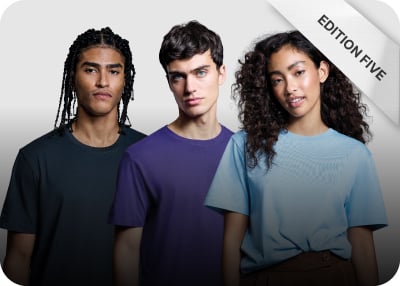
Three unique takes, three distinct audiences.
IMAGES
Are washed tees good for decoration?
Absolutely – and this is where the commercial case becomes really interesting.
The washed base adds depth and context to a design in a way that a flat blank never can, with screen print, DTF and DTG all working really well. But the real magic is the lived-in look, with designs that lean into that vintage aesthetic consistently landing.
Think festival merch, band tees and retail brands – spaces where the garment’s character is as important as the design on it.
And with subtly distressed artwork, tonal prints and bold graphic drops, half the creative work has been handled before you’ve even started decorating.
The upshot?
A better-looking end product. A client who’s happier with the result. Repeat orders.
What commercial opportunity does this open up for resellers?
This is the upgrade conversation that clients aren’t expecting – and that’s exactly why it works.
It’s a great way to shift, in your clients’ eyes, from being a supplier to a consultant. Someone who understands the ebb and flow of the market and can help clients get ahead of the competition.
Premium merch ranges, limited-edition drops and trend-led collections all promise better margins with washed tees than commodity basics. In fact, they’re arguably the easiest conversation starter in 2026.
The end-customer demand already exists. Here’s your chance to show your clients a new opportunity to seize.



 Cat Bridges • 2026 • 5 min read