 - English
 - Deutsch
 - Français
 - Nederlands
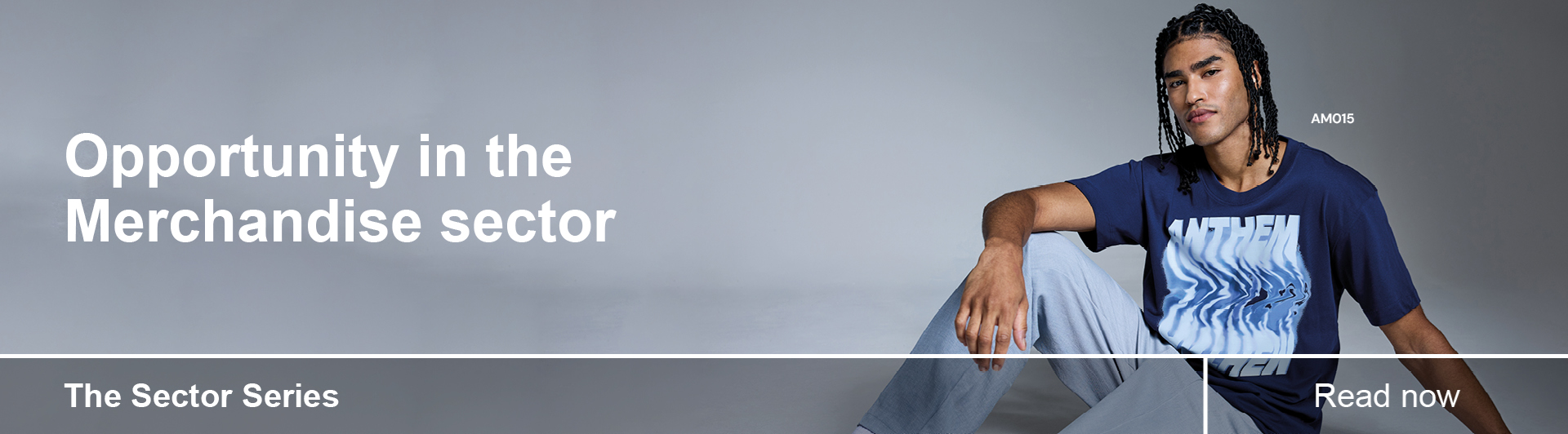
Opportunity in the Merchandise sector
 Jess Fitz-John • 30 March 2026 • 5 minute read
Whether you’re new to Merchandise or established in the sector, this blog is packed with industry insight and product inspiration for you. Discover why the merchandise market is attractive, who buys it and when the peak seasons are, as well as exploring product and cross-selling opportunities to build your range.
Merchandise at a glance – why sell merchandise?
With repeat customers, recurring revenues and reliable business, selling into the Merchandise sector is an exciting opportunity for your business – large or small.
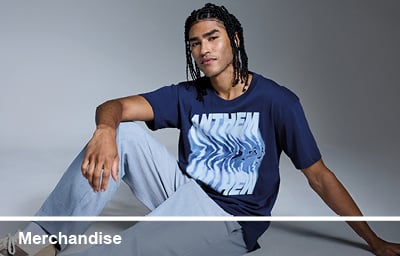
From cool festival tees to smart sports team hoodies, university freshers’ packs to corporate event giveaways, the Merchandise sector is all about creating wearable “I was there” moments for long-lasting emotional connection and brand identity.
With multiple peak seasons throughout the year (including the booming festival season), merchandise presents a prime opportunity to position yourself as the go-to decorator for clients looking to turn their audiences into walking brand ambassadors; customers who come back, year after year.
Who buys merchandise?
Beyond band merch and sports clubs, there are endless opportunities that you may not have considered – think:
- Universities and colleges – freshers’ packs, leavers’ hoodies, society kit
- Corporate events and conferences – delegate packs, branded giveaways
- Festivals and cultural events – limited-edition drops, souvenir tees
- Sports teams and fitness communities – fanwear, team identity pieces
- Content creators and influencers – personal brand merchandise
- Charities and awareness campaigns – fundraising merchandise, supporterwear
More than simply buying a garment or accessory, your customer is buying belonging, fond memories and status.
As a decorator who wants to win big contracts, you must understand and promote the emotional impact of your merchandise offering.
What makes the Merchandise sector commercially attractive?
- A large and growing market
- Predictable order patterns
- Customer willingness to pay a premium
- Social media opportunities
The UK promotional merchandise market is big business – a £1.2 billion business – with branded apparel accounting for a significant proportion of that success. Worldwide, 2025 industry research reports global sales worth $26.5 billion, and this is set to grow to to $37 billion by 2033.*
What makes merchandise particularly attractive is the order pattern. Most merchandise buyers work to event calendars, academic years or campaign launches, creating predictable ordering cycles. Unlike workwear, where functionality rules, merchandise buyers are happy to pay a premium for quality, fashion-forward styles and unique finishes – whatever it takes to make their merch feel special.
Social events and social media help, too, as great merchandise gets photographed, shared and tagged. Instagram, Facebook, LinkedIn, TikTok and YouTube are brilliant tools for broadcasting your customer’s brand and the quality of your work, generating organic exposure.
What merchandise products should you start with?
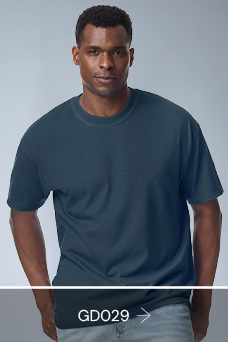
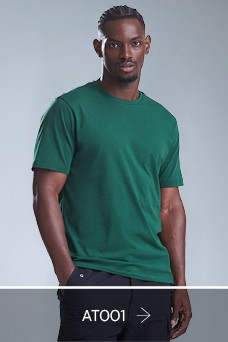
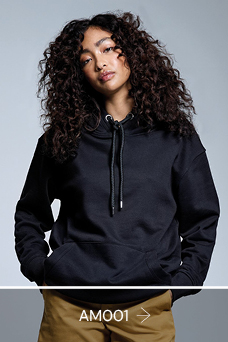
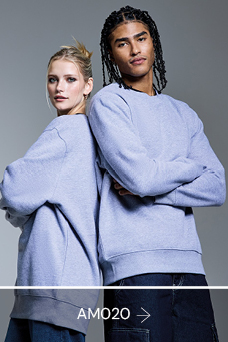
The best blank merchandise items? Well, there and three core basics that every merchandise customer knows and loves:
- T-shirts
- Hoodies
- Sweatshirts
What merchandise can you cross-sell?
To become a trusted consultant for your customer, you need to be offering the whole package. When a customer orders t-shirts, you should suggest some other merchandise essentials, including:
- Tote bags
- Caps
- Bucket hats
- Water bottles
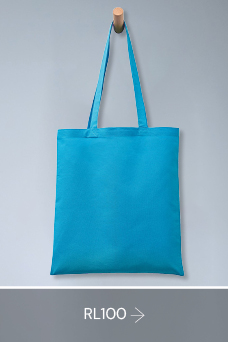

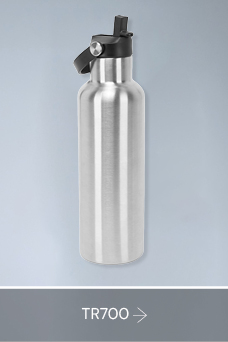
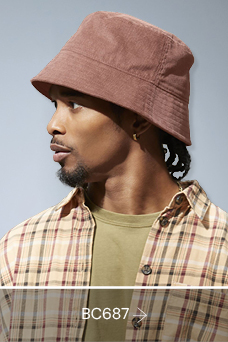
The cross-sell conversation isn’t pushy; it’s practical and can often be valuable in helping your customers make more money. When supplying band tees, for example, you could suggest caps for the merchandise table, making your customer an extra 20% on every sale.
When are merchandise peak seasons?
During January to March, universities are planning freshers’ campaigns, summer festivals are confirming their merchandise ranges, and corporate events are in the planning stage, making it a great time to reach out and land orders.
Secondary peaks hit around festival season (May to August) and in autumn for end-of-year corporate events, charity campaigns and Christmas markets. Unlike workwear, merchandise has peak seasons, rather than steady year-round demand, so specialising in this sector requires you to manage your cash flow accordingly.
How can Ralawise support your entry into the Merchandise sector?
Whilst Ralawise is a wholesaler for all of your blank merchandise products, we also think outside the delivery box. ‘Sell by Sector’ gives you everything you need to enter this market with confidence. On the Merchandise website page, you’ll find carefully selected blank product categories, ‘shop the look’ inspiration and free, customisable, sector-specific marketing assets.
Every product on the Ralawise website comes with downloadable imagery to speed up sales conversations. There are email marketing templates you can adapt, social media templates that position you as a Merchandise specialist, and decoration guides that show your technical know-how.
Ready to explore the Merchandise sector?
The Merchandise sector is ideal for decorators who understand that, more than simply selling t-shirts, they’re selling “I was there” moments. They’re selling identity, fond memories, a feeling of belonging.
If you’re ready to explore the opportunity, you’re in safe hands. For further guidance, product recommendations and commercial smarts, please contact our sales team at sales@ralawise.com.
*Vinayak Mahajan, 2025. 169+ Promotional Product Statistics: What Works in 2025, What Doesn’t, and Why! https://www.giftafeeling.com/pages/promotional-product-statistics-2025



 Jess Fitz-John • 2026 • 5 min read