
 - English
 - Deutsch
 - Français
 - Nederlands
Better embroidery starts
with the right set-up
Take a closer look at your thread, backing and needles -
and find the Madeira products to match.

01
Thread type
Rayon vs Polyester
02
Thread tension
Setting the correct thread
03
Backing
Selecting the correct backing
04
Needle
Selecting the right needle
01
Selecting the correct thread
Rayon Classic no. 40 thread
Origin - semi-synthetic fibre derived from trees. Often known as
artificial silk due to its soft sheen.
Market segment - suitable for all market sectors, logos,
sportswear, fashion and promotional goods.
Embroidering - flexible rayon viscose threads, with unsurpassed
tensile strength, can run at high speeds of 1,200+ stitches per minute.
Anti-static - thread does not build up static charge and
can be used for the manufacture of anti-static garments.
Special characteristics - suitable raw material.
Washable up to 95°C. NOT bleach-resistant.
Polyester
Origin - 100% recycled polyester thread derived from recycled
polyethene terephthalate bottles
Market segment - durable threads, bleach- and chlorine-resistant,
ideal for workwear, swimwear, outdoor items, etc.
Embroidering -high-quality, robust thread that will run smoothly
at high speeds without looping.
Anti-static - Polyneon Green (recycled polyester),
Polyneon Fr (flame-retardant).
Special characteristics - washable up to 95°C. Bleach-
and chlorine-resistant, suitable for stonewashing.
Thread thickness
No.40
Industry-standard embroidery thread, perfect for all embellishment styles.
No.60
Used for fine lettering, small
details and for stitching on
delicate fabric.
No.75
Ultra-fine for outstanding clarity
in the smallest details and letters
to 3mm or less.
No.30
A slightly thicker thread, ideal
for knitwear and large fill
areas.
02
Setting the correct thread tension
Incorrect tension can cause puckering, thread breaks, looping, uneven stitches and birdnesting. Settings depend on thread type and machine speed.
Guideline starting settings:
- Rayon 40 150gf top tension
- Polyester 40 170gf top tension
- Bobbin 22-24gf for everyday embroidery
Adjust the bobbin first, a quarter turn at a time: left to loosen, right to tighten.
Aim for approximately 1/3 bobbin thread and 2/3 top thread visible underneath.
More bobbin thread can indicate overly tight top tension.
Run regular tension tests, as settings can change over time.
03
Selecting the correct backing
The right stabiliser holds fabric in place during stitching and helps prevent puckering.
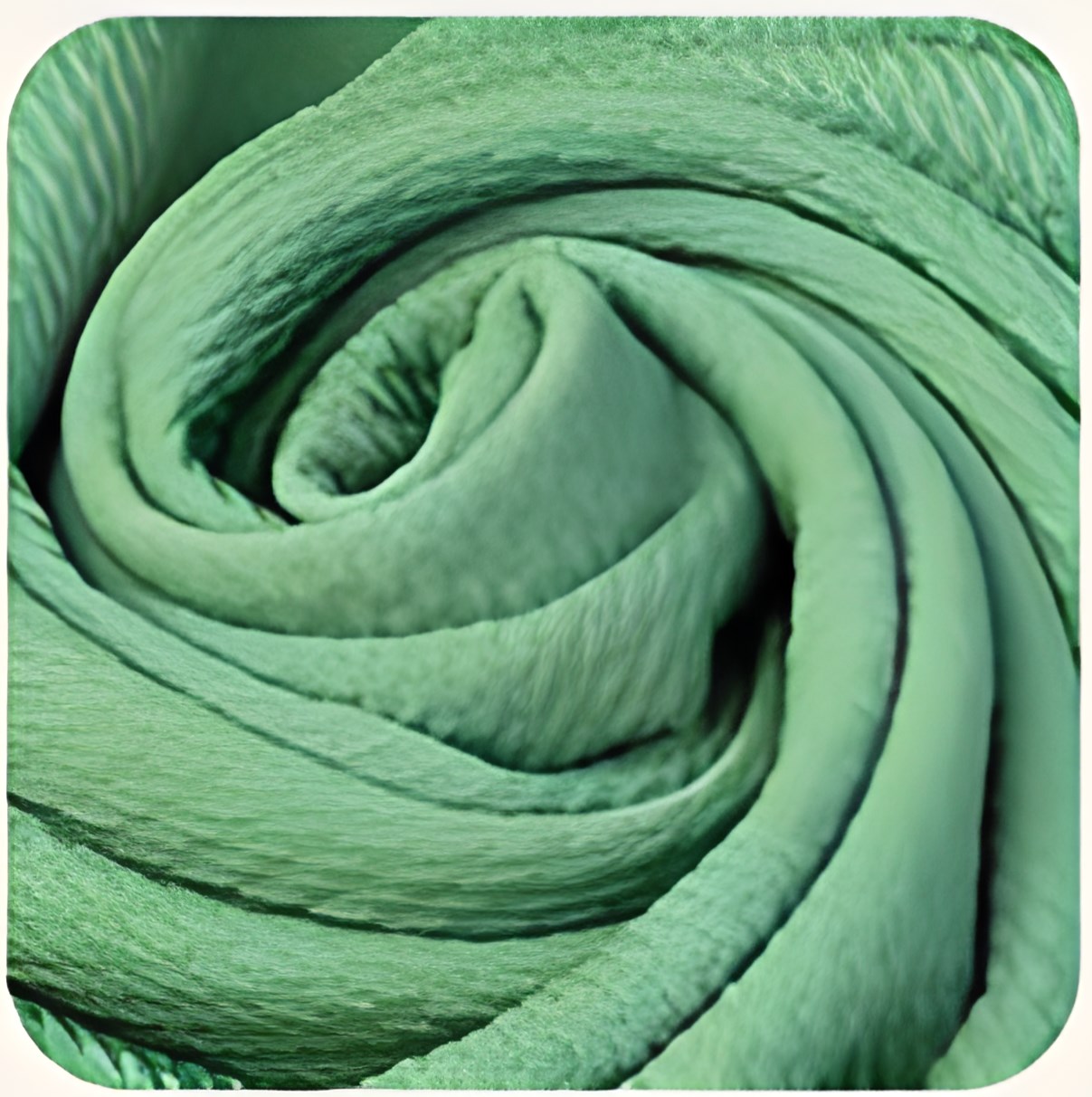
Knitted and stretchy fabrics
Knits stretch in all directions and need lasting support. Choose a soft cut-away backing to stabilise the fabric.
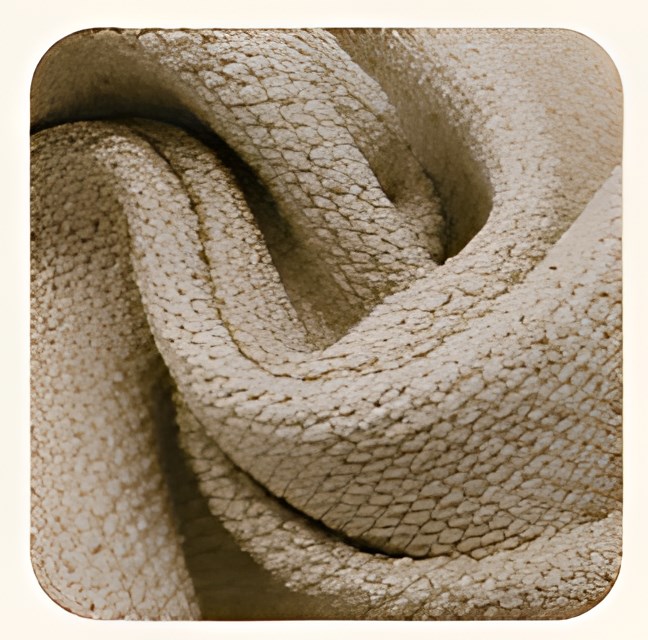
Heavyweight woven fabrics
Tightly woven fabrics such as denim, corduroy and canvas have minimal stretch and recquire less stabilisation. A medium 40g tear-away backing is a suitable choice.
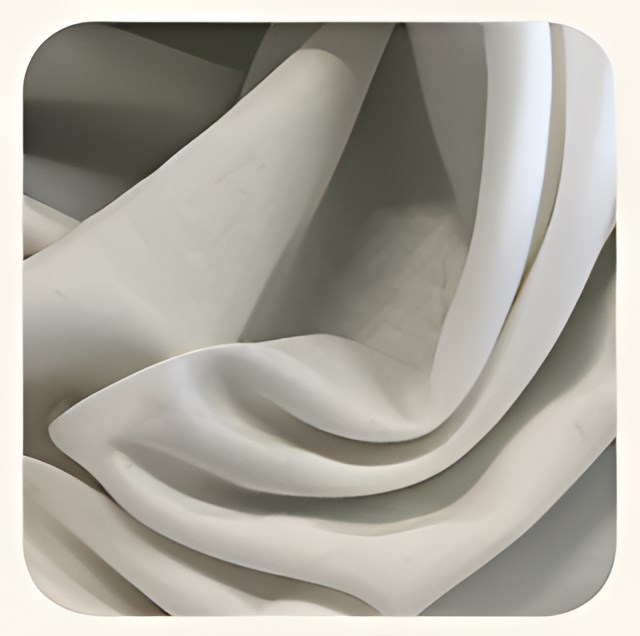
Lightweight woven fabrics
Dress shirts and silk are lightweight but typically do not stretch. Choose a cut-away stabiliser. A no-show option such as Madeira Weblon provides support while remaining soft against the skin and discreet beneath fine fabrics.
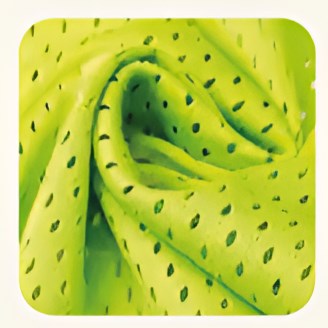
Performancewear fabrics
These fabrics are often thin, stretchy and slippery to hoop. Keep designs light and avoid hgih stitch counts. Madeira Weblon is designed to support these fabrics, and a single piece will usually be sufficient
Getting the support right
Backing that is too lightweight, or insufficient layers, can lead to puckering.
Use a maximum of three layers, if greater stability is needed, choose a heavier backing rather than adding more layers.
04
Selecting the right needle
Choose your needle according to the fabric, stabiliser, threadweight and stitch density of the design.
RG - Regular sharp point
Suitable for tightly woven fabrics such as silk. Use a smaller needle on finer fabrics to help prevent holes forming around the design.
SUK - Medium ballpoint
Designed for stretchy, loose-knit fabrics.
FFG/SES - Lightballpoint
Suitable for polo shirts, knits and fleece. The rounded tip parts the fabric structure during stitching.
GEBEDUR - Titanium-coated
Suitable for tough fabrics, caps, leather and selected metallic threads. These needles can last up to five times longer than average needles.
Choose the size
A 75/11 needle is a standard for most applications using 40-weight thread. Choose smaller needles for finer threads or lightweight fabrics and larger needles for thicker threads or heavier fabrics. Keep a regular needle-change schedule to help maintain consistent embroidery quality.