 - English
 - Deutsch
 - Français
 - Nederlands
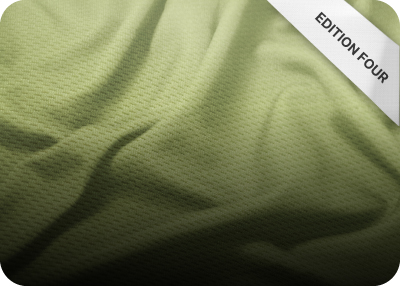
Edition Four: How to choose the best fabric for decorated t-shirts and polos
 Ralawise • 12 March 2026
Here’s the single most important thing about fabrics. Get your fabric right and everything else falls into place. The fit feels better. The decoration looks sharper. Your customer comes back for more.
The good news is that understanding fabrics isn’t complicated. You don’t need a degree in textile science. You just need to know what works, what doesn’t, and why.
Top three garment fabrics explained: cotton, polyester and blends
Almost every tee or polo you’ll ever sell falls into one of three fabric camps. Each has its strengths and each has its idiosyncrasies. Understanding the differences means you can choose the right tees and polos for your needs with absolute confidence.
To learn more about how these fabrics meet sustainability standards, explore Better fashion, not faster fashion: How using preferred materials builds a better apparel business.
Cotton – the natural choice
Soft, breathable and comfortable against the skin, cotton is the classic choice for obvious reasons – it feels great and decorates beautifully.
What’s it good for? Screen printing, DTG, DTF and embroidery. Cotton loves ink and holds it really well. Your go-to option for bold graphics and detailed artwork.
What to watch out for? If it’s not pre-shrunk, beware: pure cotton can shrink. It absorbs moisture rather than wicking it, so it’s not ideal for high-intensity sportswear. Heavier weights are more stable for decoration.
What’s hot? Gildan GD029 Hammer® Maxweight adult t-shirt (240–245gsm) – heavyweight cotton is trending hard. Premium, weighty feel signals quality before anyone even sees the decoration.
Going premium? TEE JAYS TJ011 Pima cotton polo (100% Pima cotton, 200gsm) delivers a smooth, lustrous finish ideal for hospitality or executive clients.
Polyester – the choice of champions
Polyester is perfect for sportswear, events clothing, and anything that needs to handle moisture, movement and repeated washing without losing shape.
What’s it good for? Sublimation printing, DTF, transfer methods. Lighter weight ensures comfort during activity.
What to watch out for? Screen printing and DTG may require the right setup. Lightweight polyester can pucker under embroidery.
Worth knowing? Neoteric™ fabrics from AWDis Just Cool have built-in moisture-wicking and UPF 30+ UV protection.
What’s hot? AWDis JC001 Cool T (140gsm, textured) and JC020 Cool Smooth T (135gsm, smooth). Both offer UPF 30+ and quick-drying performance. Choose depending on desired finish.
Polycotton – the beauty of blended
Blending cotton and polyester combines comfort with durability. Less shrinkage, faster drying, longer-lasting colour.
What’s it good for? Embroidery, screen printing, transfer methods. Reliable across decoration techniques.
What to watch out for? Blend ratio matters. 65/35 is more durable; higher cotton ratios feel softer but may shrink.
Worth knowing? Superwash® fabric in Kustom Kit KK403 polo withstands commercial laundering at 60°C.
What’s hot? KK403 Klassic Polo (65/35, 185gsm) and KK504 Superwash® t-shirt. Sustainable option: BA265 polo (recycled polyester + Better Cotton, 180gsm).
T-shirt fabric weight explained: lightweight, midweight or heavyweight
Lightweight (under 160gsm)
Breathable, comfortable in warm conditions. Great for sportswear, events and giveaways.
What’s hot? BA210 (145gsm, tubular, smooth surface) and Anthem AM010 (145gsm, soft-feel, organic cotton, fashion detailing).
Decoration tips: Lightweight fabrics need careful handling. Screen printing with heavy ink can show through; embroidery needs proper backing.
Midweight (160–200gsm)
Substantial enough to feel quality, light enough for comfort.
What’s hot? AT002 (180gsm, PurePrint) – outstanding decoration results.
Decoration tips: Midweight fabrics handle virtually all decoration types without special treatment.
Heavyweight (200gsm+)
Premium feel, excellent durability, superb decoration results.
What’s hot? BY362 Sorona tee (210gsm, 70% cotton/30% Sorona® polyester) – cotton comfort with added stretch recovery and shape retention.
Decoration tips: Heavyweight fabrics provide a stable surface, crisp graphics and better drape – premium look.
Your tee and polo fabric cheat sheet
| Decoration method | Best for tees | Best for polos |
|---|---|---|
| Screen printing | Cotton or polycotton, midweight to heavyweight | Cotton or polycotton piqué, midweight to heavyweight |
| DTG | Cotton-rich fabrics, pre-treated | Cotton piqué, pre-treated |
| DTF | Works on most fabrics, excellent on polycotton | Works on most polo fabrics |
| Sublimation | Polyester only (white or light colours) | Polyester performance polos only |
| Embroidery | Any fabric – heavier weights handle it best | Any piqué fabric – heavier weights handle it best |
| Vinyl/HTV | Any fabric – smooth surfaces provide the cleanest finish | Any fabric – smooth surfaces provide the cleanest finish |
Find the best fabric with expert support from Ralawise
Still wondering which fabric is best for your project? Every product on our website comes with a detailed spec sheet including composition, weight, decoration suitability and care instructions. You can also filter by fabric type to narrow your options.
Alternatively, just give us a call. Tell us what you need, and we’ll help you make the perfect choice. It’s what Ralawise is here for.
Next steps: choosing the best styles and markets for your clothing
Understanding fabric is crucial – but there’s plenty more to explore when giving clients the right products. Check out Cut & Character to see how fit and styling transform the same fabric into completely different products; or dive into Markets to Tap Into to discover which fabrics sell best across sectors.
The more you know, the more confidently you can recommend. Confident recommendations win business.